
Water-Quality Filtration
Water-Quality Filtration for Commercial Needs
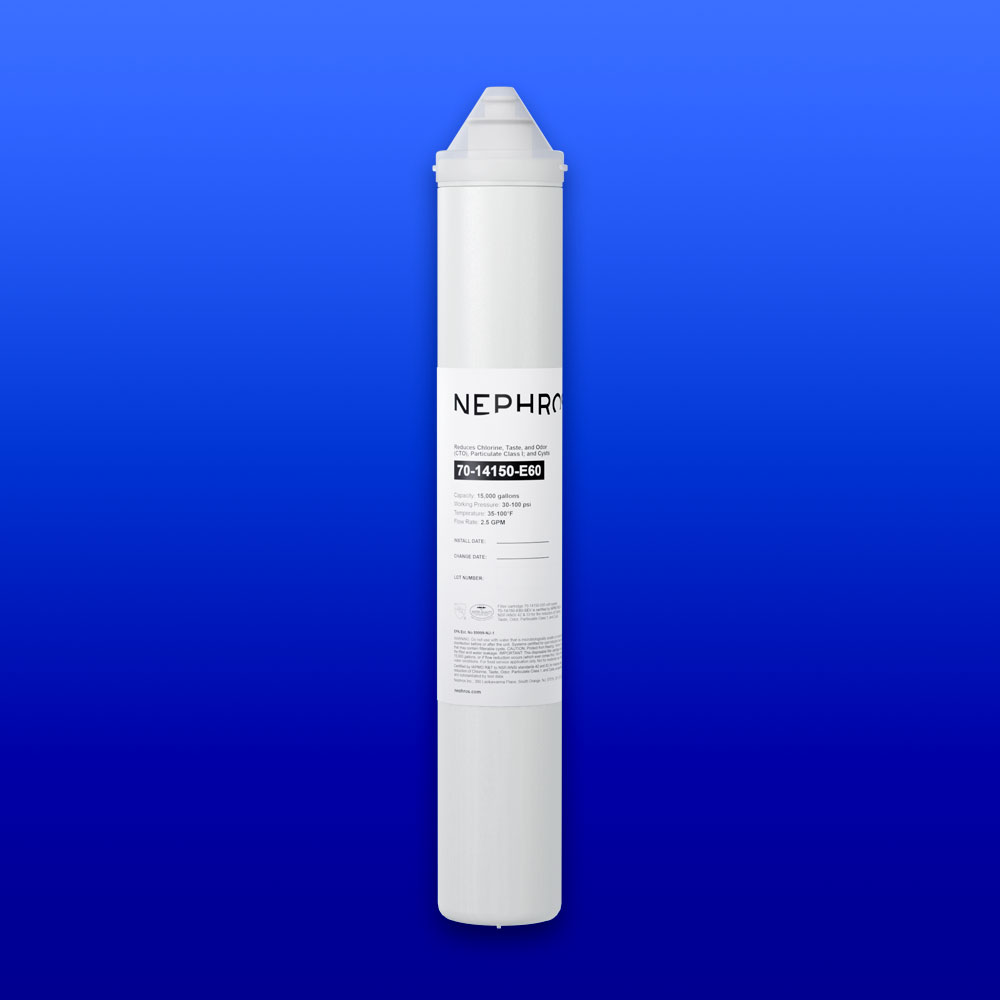
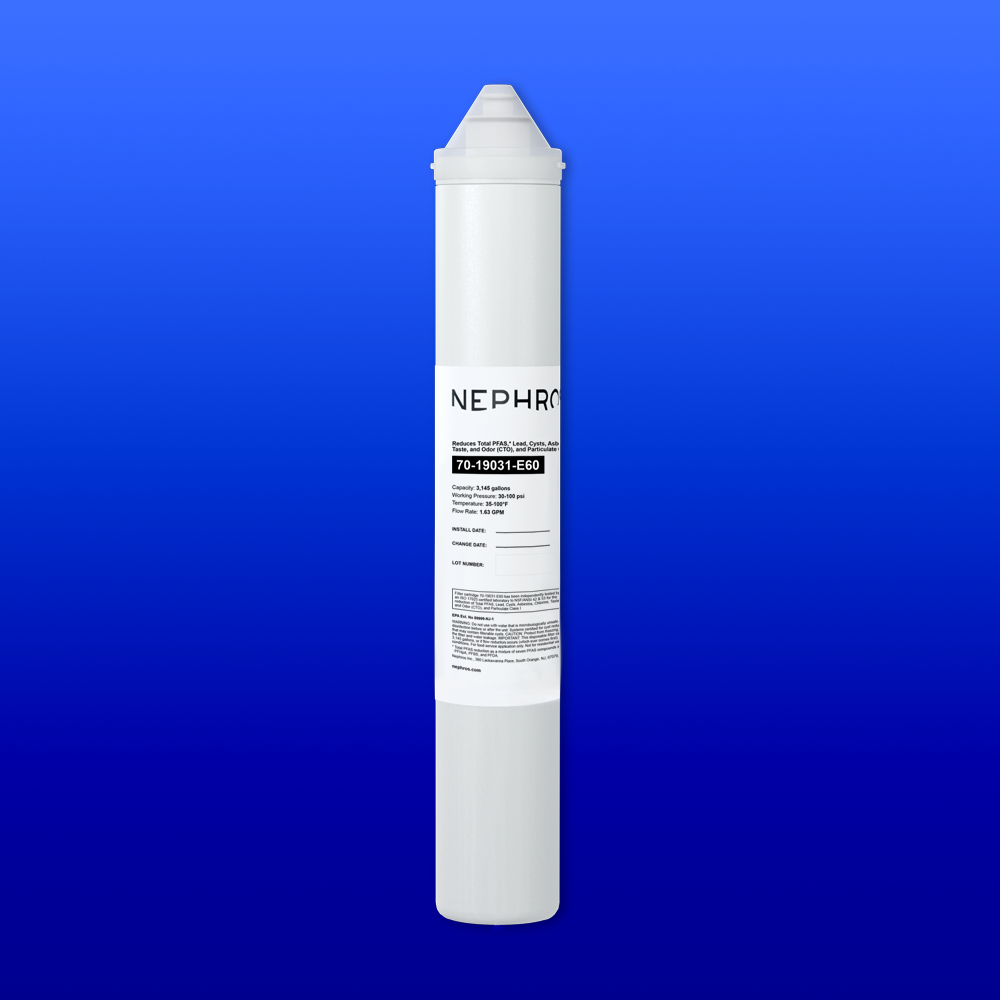
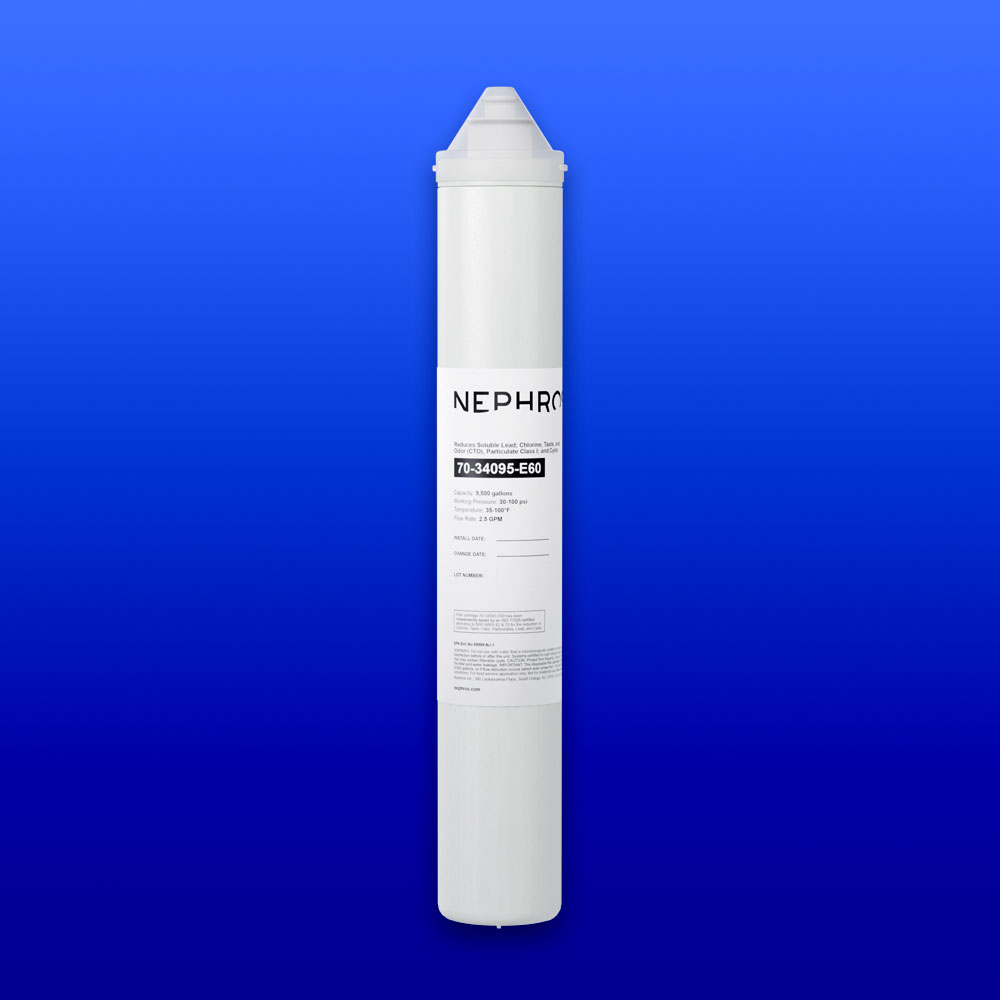
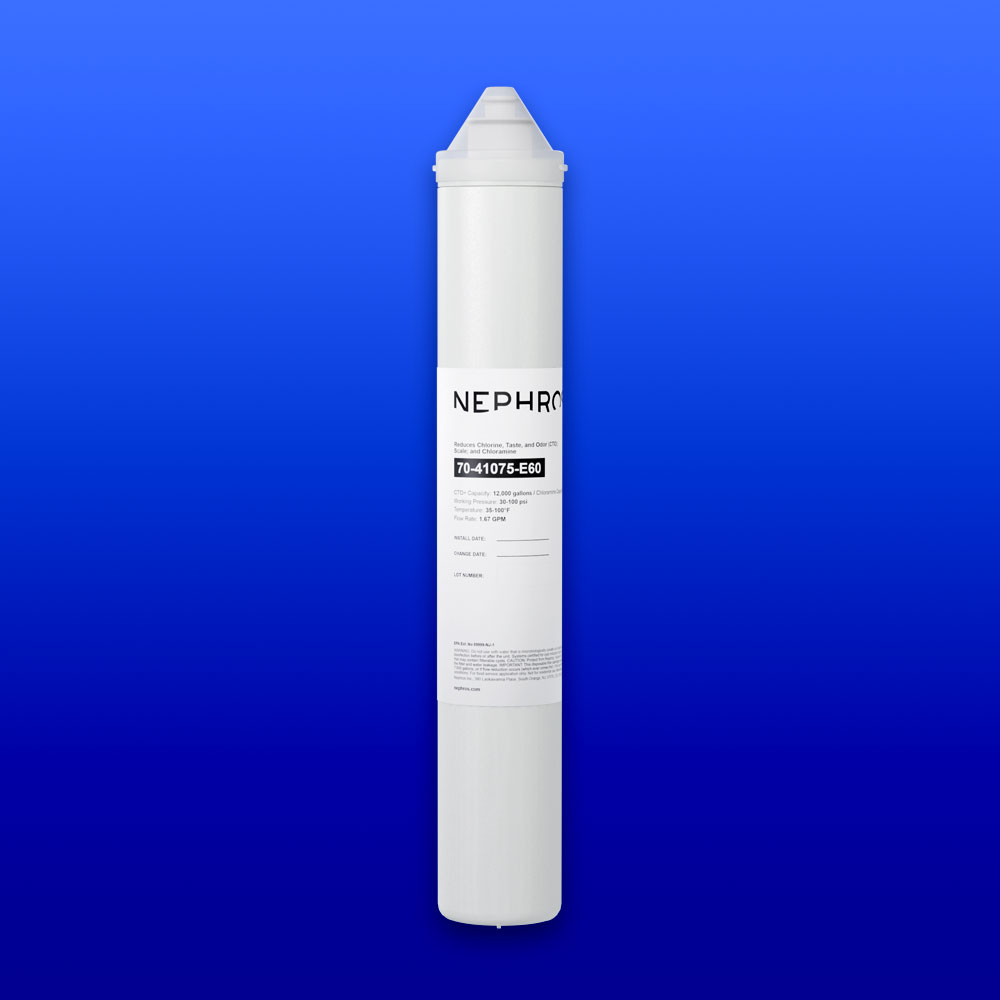
Commercial water systems can impact taste, equipment longevity, operating costs, and end-user experiences. Nephros commercial filtration solutions help reduce chlorine, chloramine, taste, odor, sediment, and other chemical or physical impurities. Certain filter types are also engineered to address persistent contaminants of growing regulatory and environmental concern, such as lead, cysts, asbestos, and Total PFAS compounds. Nephros commercial filtration products are well-suited for beverage stations, ice machines, and other types of water-dependent equipment. For more comprehensive protection, water-quality filtration can be combined with microbiological filtration as a multi-barrier setup.
Filtration for Water Aesthetics and Equipment Health
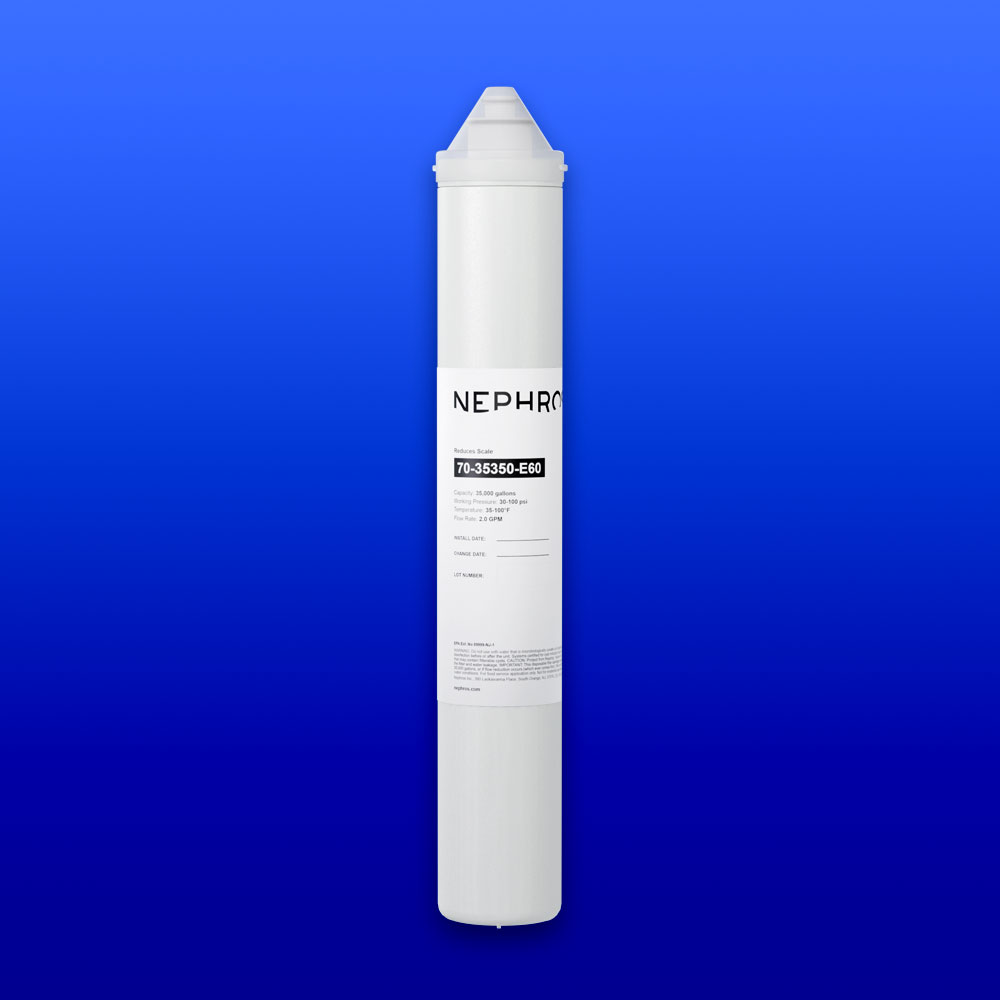
Commercial filtration is leveraged in beverage and food service settings where water quality directly impacts appearance, flavor, aroma, and equipment performance. Reduction of chlorine and chloramine improves taste and reduces risk of metal corrosion. Limiting scale formation and decreasing the presence of sediment can increase the lifespan and efficiency of pumps, valves, and other mechanical components.
Health Impact of Contaminant Reduction via Filtration
Beyond aesthetics and equipment protection, commercial water-quality filtration supports the reduction of contaminants associated with long-term health concerns. Depending on the selected model, Nephros filtration solutions are engineered to reduce lead, cysts, asbestos, and Total PFAS compounds, including PFOA and PFOS, that may be present due to aging infrastructure or source water variability. Public health agencies have associated exposure to these types of contaminants with a range of potential health considerations, including developmental and neurological effects, gastrointestinal illness, immune system and hormonal impacts, and increased long-term health risk.
Staged Approaches for Commercial Water Systems
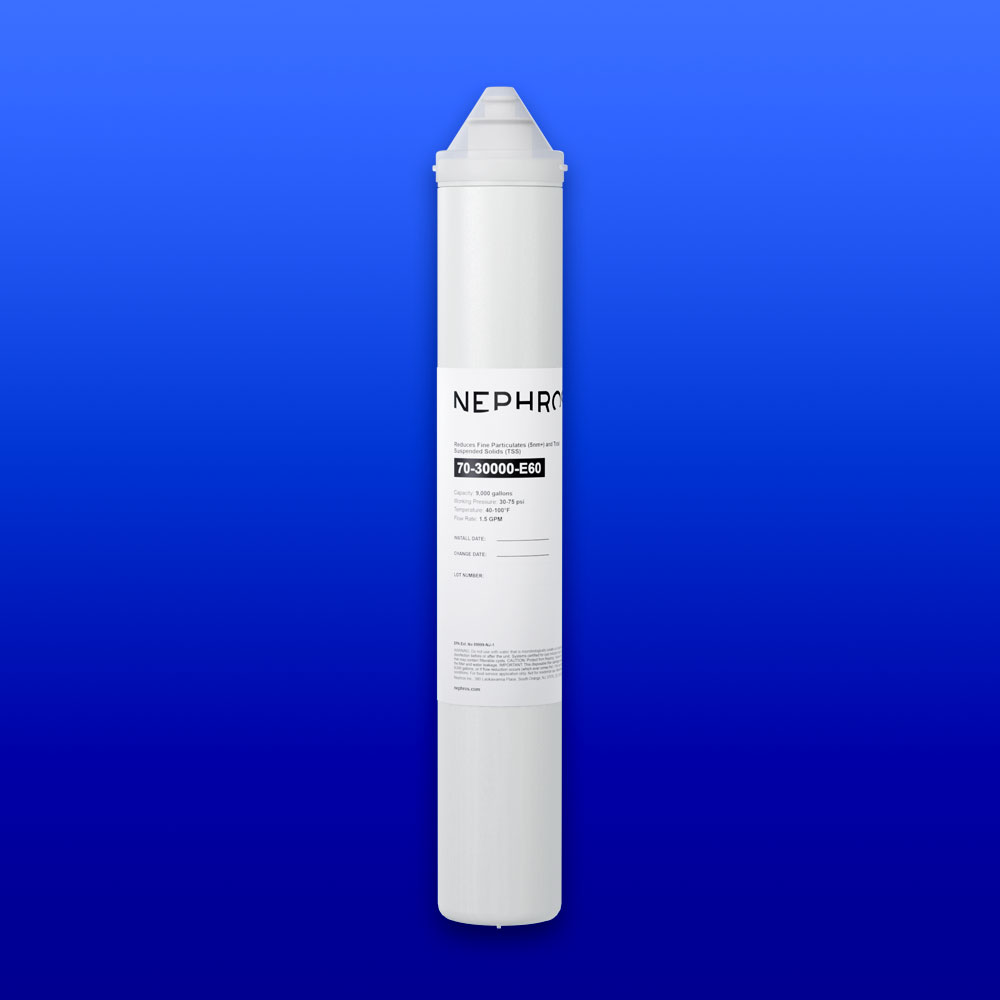
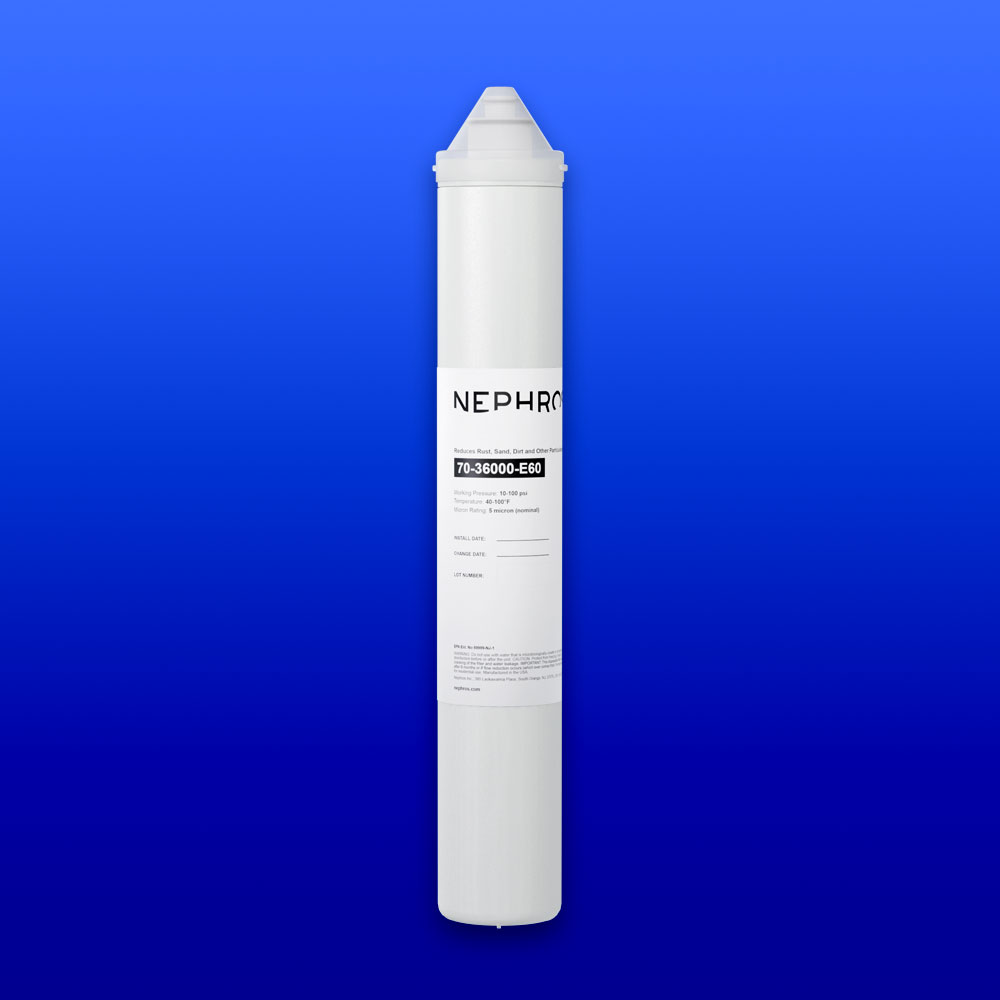
Pre-filtration serves as an initial stage to capture the largest format physical contaminant prior to any other downstream stages. This step supports improved performance of additional filtration following pre-filter placement. After this stage, facilities can incorporate taste-and-odor filtration, PFAS-focused reduction, or other chemical control technologies based on equipment. When microbiological control is a must-have, especially at drinking water endpoints, the microbiological filtration stage should be positioned downstream of commercial filtration.
Want to learn more?
Contact us for product details and additional information

Want to know more?
Reach out for quotes, additional product details, installation questions, and more.