
Ultrafiltration for Bacteria & Endotoxin Control at the Point of Use in Sterile Processing
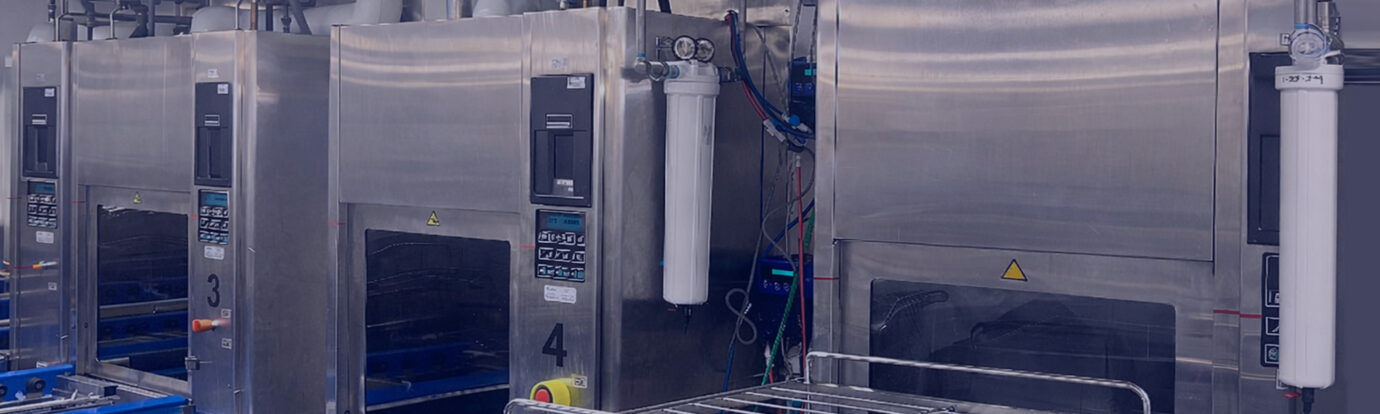
Water quality is a critical determinant of sterility assurance in sterile processing. While treatment systems such as reverse osmosis establish baseline water quality, ANSI/AAMI ST108 has clarified that risk to reprocessing outcomes is often driven by what happens downstream, at the point where water is delivered to equipment and devices.
ST108 emphasizes risk-based water management, including verification of water quality through sampling and testing for bacteria and endotoxins. This has shifted attention from centralized treatment to the control of water at the most vital downstream points within the sterile processing environment.
Learn how point-of-use ultrafiltration provides validated control of bacteria and endotoxins in ST108-aligned sterile processing environments.
Why Point-of-Use Water Quality Matters
Experienced sterile processing professionals understand that water quality is not static. Even with well-maintained central treatment systems, water can change as it moves through storage, distribution loops, and internal plumbing. Microorganisms can persist or be introduced downstream, creating variability that affects cleaning effectiveness, rinsing outcomes, and steam quality. (1)
ST108 reinforces what many departments have observed operationally. Water quality at the point of use matters just as much as upstream treatment. Addressing downstream conditions helps reduce variability at the moment water contacts devices, equipment, and sterilization systems.
Point-of-Use Ultrafiltration for Microbial Control in Sterile Processing
Point-of-use ultrafiltration provides targeted microbial control at defined locations within the sterile processing environment. Nephros HydraGuard in-line ultrafilters are designed for installation at downstream points supplied by distribution loops or critical water feeds serving sterile processing equipment.
Rather than altering upstream treatment chemistry or infrastructure, HydraGuard functions as a complementary control layer. It reduces bioburden at the point where water enters washers, ultrasonic cleaners, cart washers, and other processing equipment. This downstream approach aligns with ST108’s emphasis on the quality of water delivered to the point of use. (1)
Designing Ultrafiltration for Sterile Processing Workflows
Sterile processing departments place high demands on water systems. Equipment connections require consistent flow rates and the ability to handle larger volumes without disruption. HydraGuard ultrafilters are designed specifically for these conditions.
Unlike smaller, fixture-mounted filters, HydraGuard supports higher-capacity applications and more stringent, biological contaminant control typical of sterile processing operations. The 222 O-ring style cartridge allows for secure installation and easy replacements, and the system is capable of in-place disinfection using a 1% bleach solution. These design features support consistent performance while fitting into established maintenance and infection control practices.
Validated Performance for Regulated Environments
HydraGuard ultrafilters are FDA 510(k)-cleared as Class II medical devices with validated performance for the retention of bacteria, viruses, and endotoxins. Regulatory clearance supports predictable performance in environments where documentation, repeatability, and reliability matter.
The ultrafiltration media features a 0.005 micron pore size and provides up to 5-log endotoxin retention. HydraGuard supports a continuous filter life of up to 180 days, helping accommodate the operational pace of sterile processing without frequent filter changes. The filters are intended for use with EPA-quality water and integrate into existing hospital water systems.
Supporting Application-Specific Water Quality Needs
ANSI/AAMI ST108 defines multiple categories of water quality used in medical device processing, including Utility Water and Critical Water. (1) Each category serves different purposes across the reprocessing workflow, from intermediate rinsing to final rinses and steam generation.
Point-of-use ultrafiltration allows sterile processing teams to apply additional microbial control where it matters most, rather than taking a one-size-fits-all approach. HydraGuard can be deployed strategically to support critical water applications without disrupting existing treatment strategies.
Practical Considerations Beyond Infrastructure
ST108 highlights the importance of ongoing monitoring, system oversight, and water quality awareness as part of effective medical device processing. (1) Technology alone does not address these considerations.
Nephros supports sterile processing teams with education and implementation expertise focused on real-world applications. This includes guidance on appropriate placement, installation, and maintenance practices to help facilities deploy point-of-use ultrafiltration appropriately within ST108-aligned water quality programs.
Strengthening Sterility Assurance at the Point of Use
Point-of-use ultrafiltration offers a practical way to strengthen sterility assurance without reworking existing infrastructure. For departments focused on aligning water management with evolving standards expectations, solutions like HydraGuard provide added control where water quality directly intersects with sterile processing outcomes and sterility assurance.
As organizations continue incorporating ANSI/AAMI ST108 considerations into sterile processing environments, evaluation of water quality increasingly includes how downstream conditions support consistent reprocessing performance. Help your team build clarity around these considerations with our webinars, Applying ST108 for Bioburden Control and Sterility Assurance and Beyond ST108: How ST91 And Emerging ST79 Guidance Affect Sterile Processing. These in-depth presentations offer broader context on the importance of water in sterile processing practices.
Are your current water management practices providing consistent microbial control at points of use? Contact us to discuss HydraGuard ultrafilters and application-specific considerations for ST108-aligned sterile processing environments.
Sources:
(1) ANSI/AAMI ST108:2023— Water for Processing Medical Devices, ANSI